
I create unique one-offs or small batches of creative, unfussy and functional pots that I aim to instill with plenty of character as an antidote to anonymous and bland factory-made products.
Spontaneous throwing, varied and tactile forms, and dynamic glazes are some of what I feel make a pot intriguing and vital. I hope to reach people that prefer their day-to-day objects to be interesting, unique and display the touch of their creator.
My major influences include modern and historical Asian ceramics — in particular Japan, but also Korea and China. In the US and UK, potters like the late, great Phil Rogers, Jim Malone and Michael Hunt and Naomi Dalglish of Bandana Pottery are all gifted artists whose artistry and ethos I aspire to.
While I have previously somewhat emulated my pottery heroes, I find myself more and more breaking away into a more minimal, elemental and loose style in which I try to create pieces that have some impossible to describe ‘essence.’ Letting go of the mindset of making things that are tidy and merely attractive into something more wild and free.
I and my work are changing fast; my store doesn’t fully reflect where I am now. But each piece is a milestone along my way.

Practical stuff
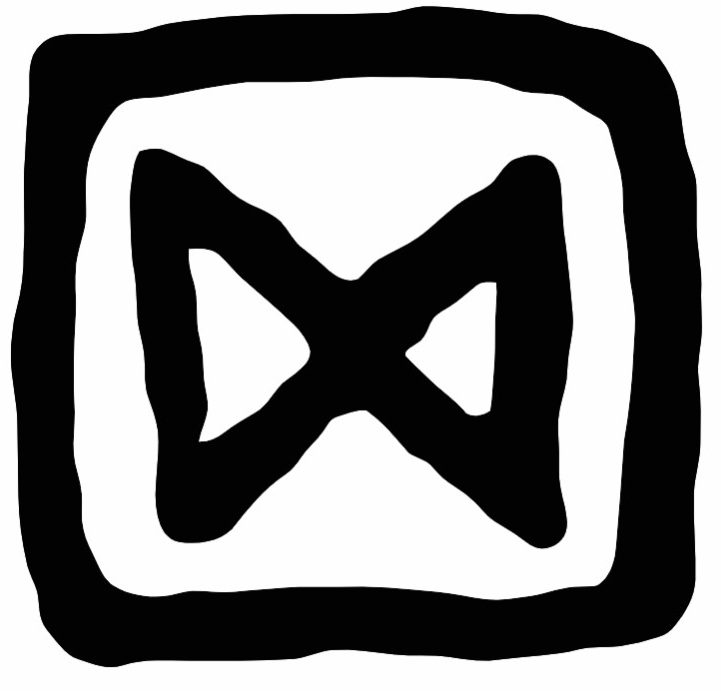
The maker’s mark you’ll see stamped on all the pots is derived from the Anglo-Saxon/Norse runic alphabet symbol for ‘D’, representing my first initial. It also resembles an infinity loop, a reminder of the vast variety of forms that can be achieved with the amazing medium of clay.
My process has always included a lot of testing of new formulae seeking that little bit of magic. I mix all my own glazes and have a diverse colour pallet largely based on iron and copper in gas reduction and electric oxidation kiln firings. I generally avoid other metals for their potential toxicity (more in the studio than in glazes), and focus on food safety — only putting stable, no-risk glazes on food surfaces. I use ash from my wood stove for interesting, flowing glazes.
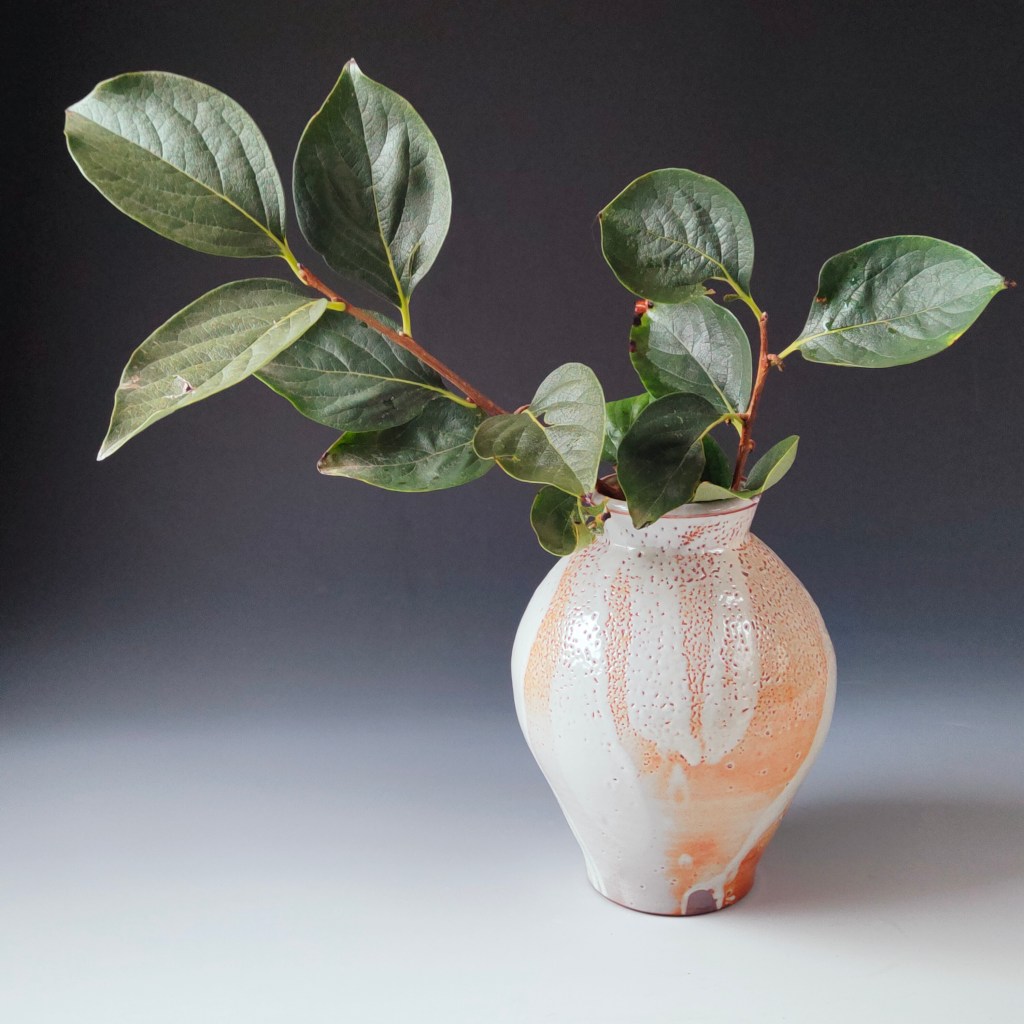
I am a huge fan of shino, originally a Japanese glaze but much tweaked by western potters. I am also working with some very tricky ash glazes, that tend to run off the pot very easily if you aim for a very fluid glaze, as I do. It’s a hard ingredient to master that has cost me a bunch of lovely pots by gluing them to the kiln tiles. But when I get it right, they are very lovely.
A big, future plan includes building a small wood-burning kiln, which would use waste off-cuts from sawmills and from managed forest felling. In effect, this wood would regrow and be carbon neutral over time. Gas is not environmentally friendly, though I don’t use a huge amount per firing.
For shipping, the packing process uses sustainable materials as much as possible, including recyclable paper-based box, recycled paper product padding, and reused materials. I do have to use some bubble wrap for its light weight and good protective qualities. Please reuse or recycle any plastics that come in your package.
My work can be bought via the Etsy store — a link can be found here. Orders can be shipped worldwide (except the USA currently- due to tariffs, my post office will not ship parcels). My pots have shipped as far as Australia, Canada and the USA, as well as Europe, UK and Ireland.


Latest blog posts
- Getting That Wood-Fired Look On My Gas-Fired PotteryHow I achieved an ashy, drippy wood-fired effect on my ceramics in a gas firing.
- Reduction Firing Pottery in My Electric Kiln Using SaggarsA cunning way to get those lovely reduction glazes from an electric kiln without using silicon carbide. There are some risks though…
- First Firings in My New Gas KilnMy new gas kiln has been something of a dream for me. Firing very smoothly and with great results. Here’s a look at the first results and the effects of kiln changes.
- How I Built (and Rebuilt) a Better Gas KilnFrustrated with my existing gas kiln, I took the plunge and spent over 1000 euros making a new one. This is how it went…
- Kilns, Planes and Automobiles: CO2 Emissions From My Ceramic FiringsHow much CO2 do my electric and gas kilns produce in a firing, and how does that compare with taking an aeroplane or running a car?
△ Top
 Dan Palmer Ceramics